Podcast: Play in new window | Download | Embed
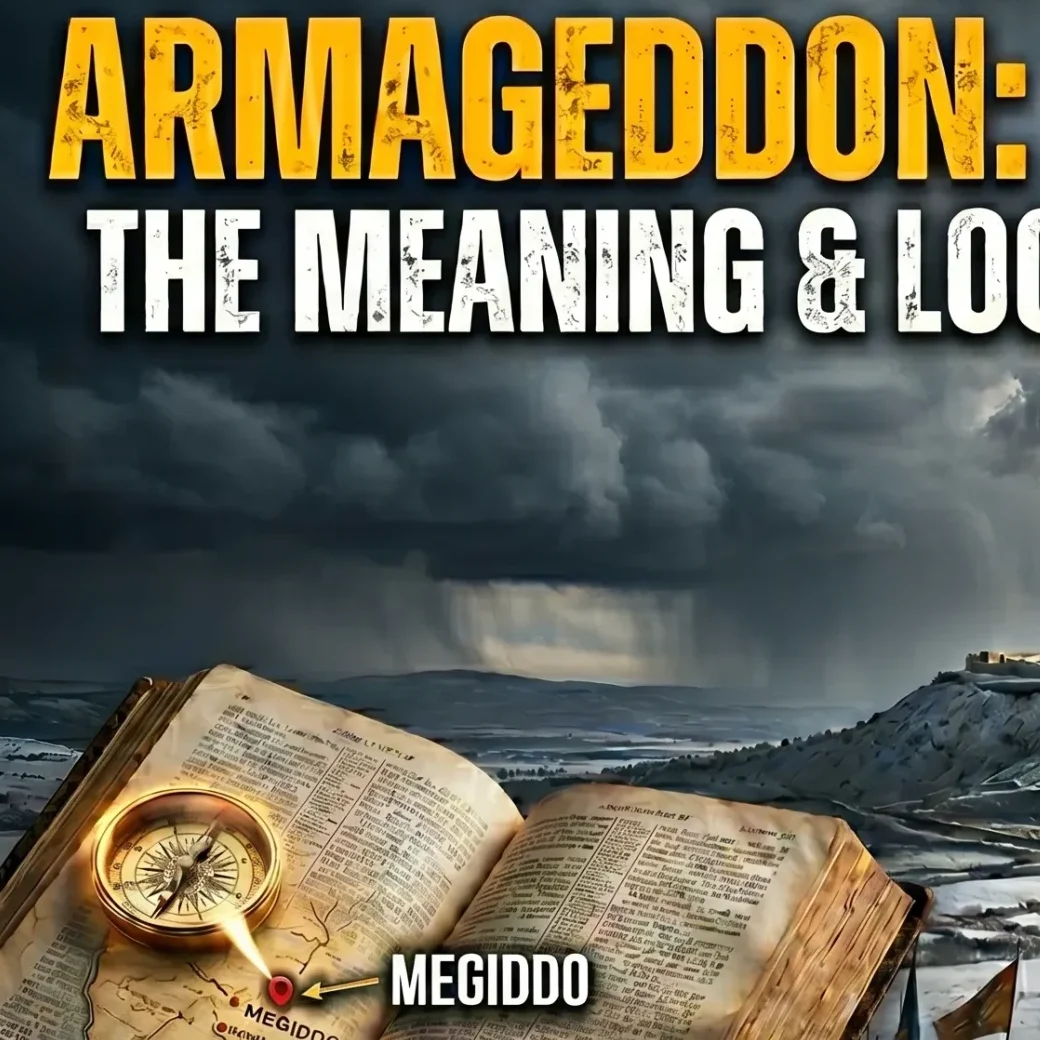
The Meaning and Location of the Battle of Armageddon
Where will the Battle of Armageddon take place?
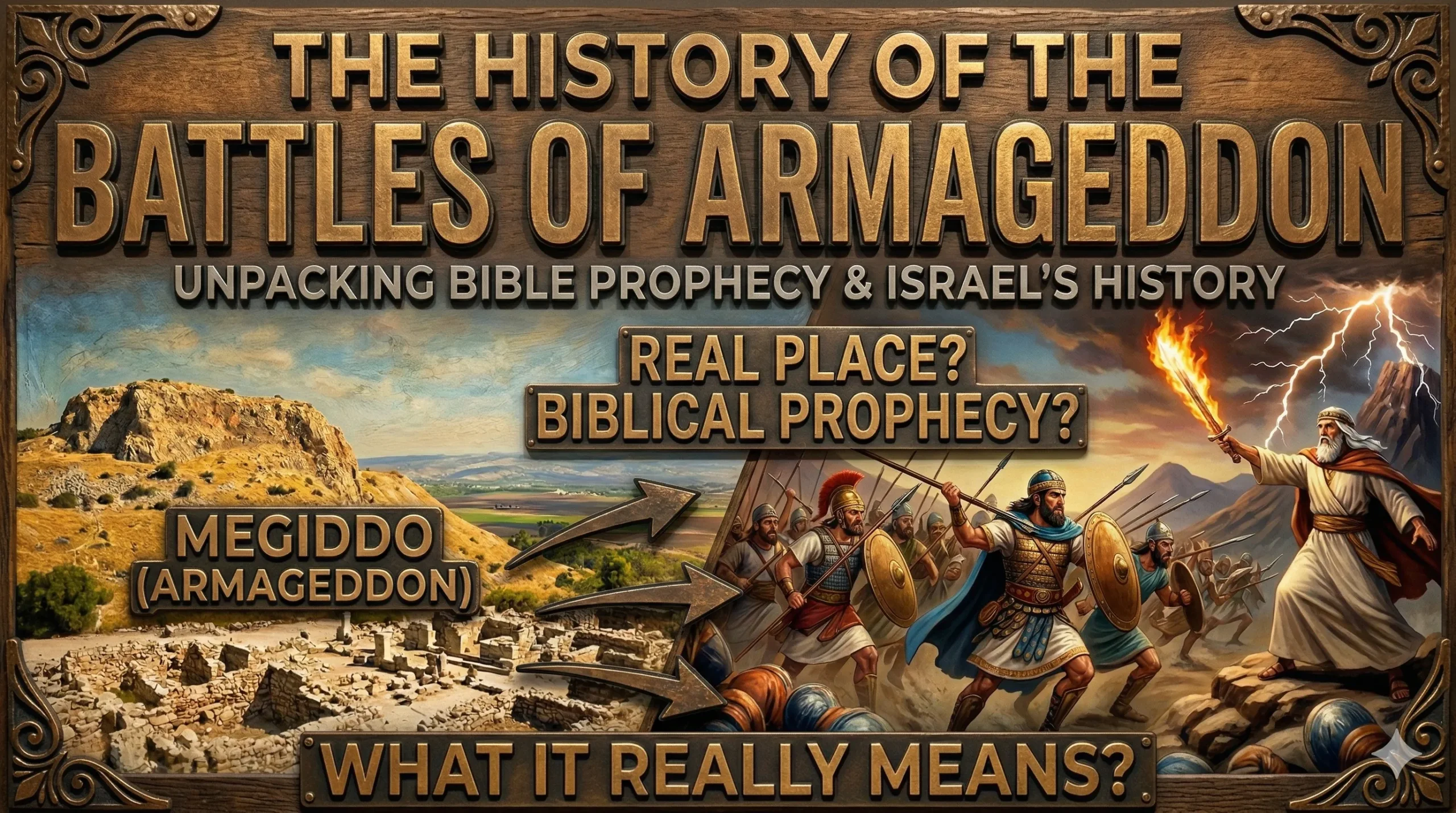
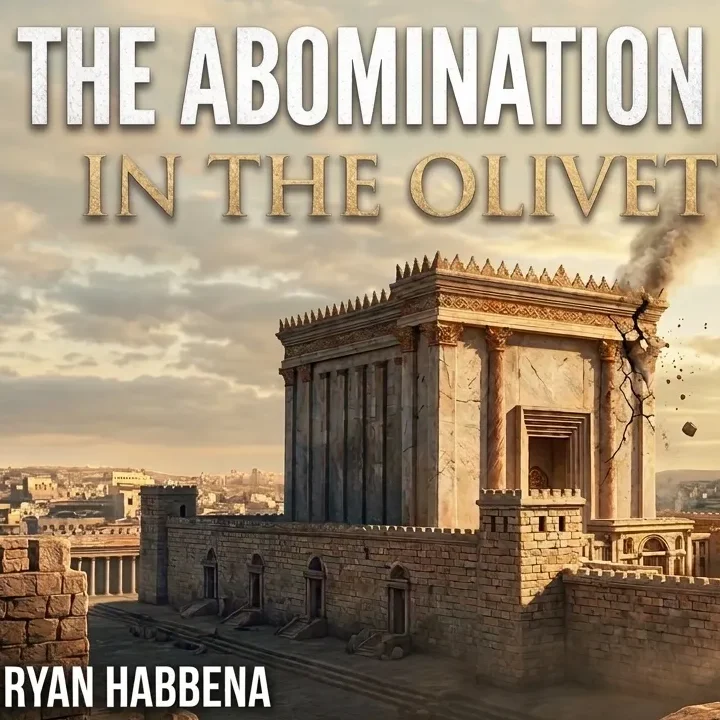
This is session 2 of 4, “The Meaning and Location of the Battle of Armageddon” by Ryan Habbena, from the Understanding the Battle of Armageddon Conference. In this video, Ryan Habbena explores one of the most important end-times questions in Bible prophecy: Where is the Battle of Armageddon located, and what does it really mean? This session focuses on the meaning and location of Armageddon, examining the biblical, linguistic, and geographical evidence for why this future battle should be understood as a real historical event that will take place in the Valley of Jezreel near Megiddo.
The case for Megiddo and the Valley of Jezreel
This teaching makes the case that Har Mageddon in Revelation 16 refers to the hill of Megiddo, not merely a symbolic idea or vague spiritual principle. You will hear the argument from the Septuagint, where the Greek form Mageddon is already used for Megiddo, giving strong support to the view that John is pointing to a real location. The session also explains why objections to Megiddo being called a “hill” do not overturn the traditional interpretation, since the site itself is elevated and fits the language used in Scripture.
Alternative views of Armageddon examined
This message also walks through several competing theories about Armageddon. One of the major alternatives discussed is the Har Moed view, which argues that Armageddon should be connected to the “mount of assembly” rather than Megiddo. The video explains why this theory is viewed as unconvincing and why the plain reading of the text still favors Megiddo.
You will also hear discussion of the Valley of Jehoshaphat in Joel 3, including whether it refers to the Kidron Valley near Jerusalem or whether it is better understood as the valley of God’s judgment. This is an important section for anyone studying the connection between Joel 3, Revelation 16, and Revelation 19.
Literal battle or symbolic conflict?
Another major theme in this teaching is the contrast between literal futurist interpretation and symbolic or preterist readings of Revelation. This session argues that the Battle of Armageddon is not just a metaphor for good versus evil, nor merely a past event tied to the Jewish War of AD 66–70. Instead, it presents Armageddon as a future climactic battle in which the nations gather against God and Christ returns in judgment and victory.
Key prophetic connections you will hear about
This video also connects Armageddon to important Old Testament passages such as Joel 3, Hosea 1, Psalm 2, and Psalm 110. These passages help frame Armageddon as the great day of divine judgment, the defeat of rebellious kings, and the final securing of the promised land for God’s people. The teaching emphasizes that Jesus is Lord, that He will return in history and space, and that His victory over the nations is central to biblical prophecy.
Why this teaching matters
This video is for those who want a serious, Scripture-based study of Armageddon, end-times prophecy, the Day of the Lord, Megiddo, and the return of Christ. You can expect careful biblical reasoning, interaction with alternative views, and a strong emphasis on the future victory of Jesus.

![Antichrist Before the Day of the Lord: What Every Christian Needs to Know about the Return of Christ [Paperback]](https://www.alankurschner.com/wp-content/uploads/2013/11/Prewrath-3D-Cropped-e1406256638580-218x300.jpg)
![Prewrath: A Very Short Introduction to the Great Tribulation, Rapture, and Day of the Lord [Paperback]](https://www.alankurschner.com/wp-content/uploads/2015/08/Prewrath-very-short-introduction-cover-682x1024-200x300.jpg)