Podcast: Play in new window | Download | Embed
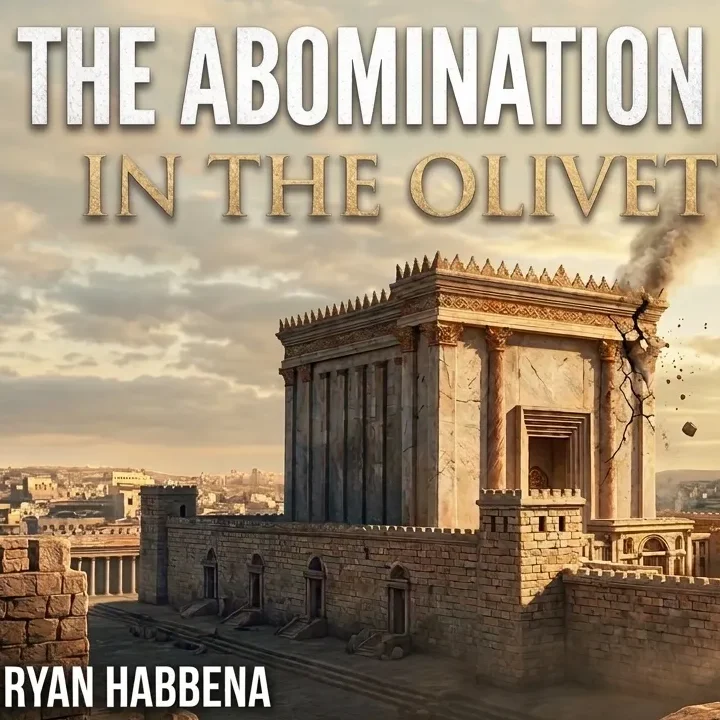
This is the first session of six from the Abomination of Desolation Conference.
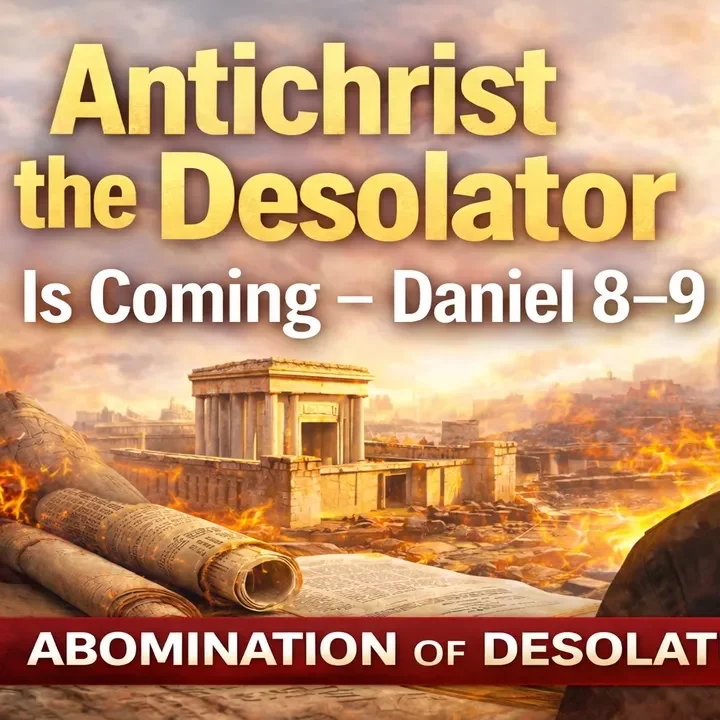
The Abomination of Desolation Explained: Daniel 8, Daniel 9, and the Antichrist
In this in-depth teaching, Alan Kurschner lays a biblical foundation for understanding one of the most critical events in end-times prophecy: the abomination of desolation. Drawing from Daniel 8 and Daniel 9, this session explains why the abomination of desolation is not a side issue in prophecy, but a central event that anchors the timeline of the Antichrist, the Great Tribulation, and Jesus’ teaching in Matthew 24.
If you have ever wondered how the books of Daniel, Matthew, 2 Thessalonians, and Revelation fit together, this message will help you see the larger prophetic framework. Rather than treating prophecy as speculation or theory, this teaching argues that Jesus expects His people to understand this event and be prepared for it.
Why the Abomination of Desolation Is So Important
According to this session, the abomination of desolation is a prophetic anchor. It helps believers understand the chronology of the last days because so many key passages gravitate around it. Jesus refers to it in the Olivet Discourse, Paul’s teaching on the man of lawlessness connects to it, and the book of Revelation reflects the same pattern of tribulation, desecration, arrogance, and persecution.
This message emphasizes that the abomination of desolation marks a turning point. It helps establish that the Great Tribulation begins after the midpoint, not before. That matters for Christians who want a serious, text-driven understanding of Bible prophecy and do not want to flatten all prophetic events into vague generalities.
A Call to Readiness, Not Spectatorship
One of the strongest themes in this teaching is that prophecy should not be approached as a spectator sport. Alan Kurschner contrasts “spectator conferences” with what he calls “participation conferences.” From a prewrath perspective, the church is not merely studying distant events that only apply to someone else. Instead, the final generation of believers may actually encounter the persecution of the Antichrist and must therefore understand what Scripture says.
This gives the message an urgent pastoral dimension. The point is not just to win theological debates, but to help the church become ready, discerning, and obedient. Jesus did not present the abomination of desolation as a curiosity. He presented it as something believers are expected to understand.
Daniel 8: Antiochus as a Pattern of the Antichrist
A major focus of this session is Daniel 8, where Alan walks through the vision of the ram, the goat, and the little horn. He explains the historical background involving Medo-Persia, Greece, Alexander the Great, and the breakup of the Greek Empire. From that context emerges Antiochus IV Epiphanes, whose actions become deeply important for biblical prophecy.
In this teaching, Antiochus is presented as a type or foreshadowing of the future Antichrist. His actions against the temple, his stopping of the daily sacrifice, his arrogance, his hostility toward the people of God, and his desecration of the sanctuary all form a prophetic pattern. In other words, Daniel 8 does not merely preserve ancient history. It gives believers a template for understanding what the Antichrist will do in the future.
This message also highlights Antiochus’s cruelty and sacrilege, drawing attention to how his defilement of the temple prefigures the coming abomination of desolation. By tracing this pattern, the teaching argues that Daniel 8 helps Christians recognize the moral and spiritual character of the coming man of lawlessness.
Daniel 9: The Chronology of the End Times
The second major section of the teaching turns to Daniel 9, especially Daniel’s prayer and Gabriel’s answer. Alan explains that Daniel is not merely concerned with the end of the Babylonian exile, but with the deeper issue of Israel’s repentance, salvation, and restoration. Gabriel’s response introduces the famous 70 Weeks Prophecy, which provides one of the most important chronological structures in biblical prophecy.
This session explains that the seventy weeks represent 490 years, and that this prophetic framework culminates in the saving purposes of God for Israel and Jerusalem. It also highlights how the prophecy includes the coming of the Messiah, His being “cut off,” and the future activities of a coming ruler connected to destruction, covenant, and desecration.
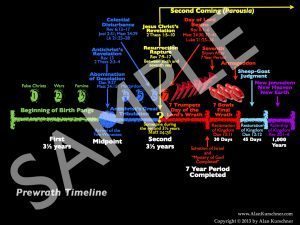
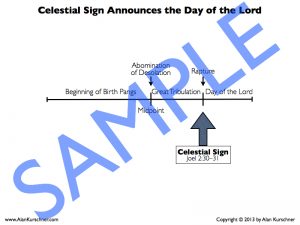
Most importantly, this teaching argues that the abomination of desolation occurs in the middle of the final seven-year period. That midpoint becomes essential for understanding the chronology of the Antichrist’s rise, the stopping of sacrifices, and the onset of intensified tribulation.
Why the Midpoint Matters
The midpoint matters because it provides order and definition to end-times events. Rather than treating the tribulation timeline as unclear or unknowable, this message argues that Daniel gives real markers that believers must take seriously. The abomination of desolation does not occur at the beginning or the end of the seven-year period, but in the middle. That detail shapes how Christians read Matthew 24, 2 Thessalonians 2, and Revelation.
How Daniel Connects to Matthew 24, 2 Thessalonians, and Revelation
This video does more than explain Daniel in isolation. It shows how Daniel 8 and 9 create the framework for later prophetic revelation. Jesus’ warning in Matthew 24 about the abomination of desolation is rooted in Daniel. Paul’s description of the man of lawlessness in 2 Thessalonians 2 reflects the same Antichrist pattern. The arrogance, blasphemy, persecution, and satanic empowerment described in Revelation also align with this trajectory.
This makes the session especially valuable for anyone seeking a unified biblical theology of the end times. Instead of reading these passages separately, Alan Kurschner shows how they reinforce one another.
What You Can Expect from This Video
In this teaching, you can expect:
Careful exposition of Daniel 8 and 9
Explanation of Antiochus as a type of the Antichrist
A prewrath perspective on tribulation and readiness
Insight into the 70 Weeks Prophecy
A clearer understanding of the midpoint and the abomination of desolation
Connections to Matthew 24, 2 Thessalonians 2, and Revelation
A serious, Scripture-centered approach to end-times chronology
Who Should Watch This Teaching
This video is ideal for viewers interested in:
Abomination of desolation explained
Daniel 8 explained
Daniel 9 explained
Antichrist prophecy
Great Tribulation teaching
Matthew 24 study
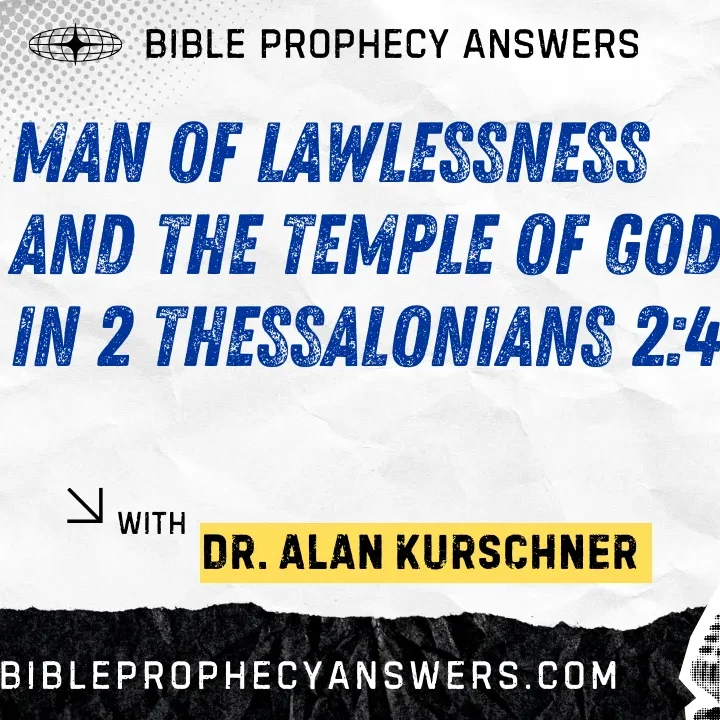
2 Thessalonians 2 and the man of lawlessness
Revelation and end-times chronology
Prewrath rapture teaching
Christian eschatology and Bible prophecy
Build a Stronger Prophetic Framework
If you want a deeper understanding of the abomination of desolation, the Antichrist, the 70 weeks of Daniel, and the timing of the Great Tribulation, this session offers a rich biblical framework to help you think clearly and faithfully. Watch this teaching to better understand the prophetic significance of Daniel 8 and 9 and how these chapters prepare believers for Jesus’ teaching about the last days.
Be sure to like, subscribe, and share this video with others who want a serious, Bible-based study of end-times prophecy, the Antichrist, and the abomination of desolation.

![Antichrist Before the Day of the Lord: What Every Christian Needs to Know about the Return of Christ [Paperback]](https://www.alankurschner.com/wp-content/uploads/2013/11/Prewrath-3D-Cropped-e1406256638580-218x300.jpg)
![Prewrath: A Very Short Introduction to the Great Tribulation, Rapture, and Day of the Lord [Paperback]](https://www.alankurschner.com/wp-content/uploads/2015/08/Prewrath-very-short-introduction-cover-682x1024-200x300.jpg)