Podcast: Play in new window | Download | Embed
In this teaching, Roger Best continues his overview of end time events and focuses on one key question: When does the rapture take place in the sequence of end-times prophecy? Rather than date-setting, he lays out a clear biblical timeline using foundational passages such as Daniel 9, Matthew 24 (the Olivet Discourse), 1–2 Thessalonians, and Revelation 6–16.
How to Study Bible Prophecy (Without Confusion)
Roger begins with essential principles of interpretation: take Scripture in its natural sense, interpret verses in context, let Scripture interpret Scripture, recognize there are no contradictions, and watch for “near” and “far” fulfillments. This sets the stage for understanding prophetic passages without forcing current events into texts that are not about the last days.
Daniel’s 70th Week and Why Israel Matters
A major foundation is Daniel 9:24–27, where Roger explains the 70 “weeks” (490 years) and argues the final seven-year period—often called Daniel’s 70th Week—is still future. He connects the coming covenant, its midpoint betrayal, and Israel’s central role in end-times events, highlighting that God’s promise of “everlasting righteousness” has not yet been fulfilled.
Key Topics Covered
• The five big end-times issues
Daniel’s 70th Week, rapture timing, Israel’s salvation, God reclaiming world rule, and Armageddon.
• Why Matthew 24 applies to believers
Roger explains why the Olivet Discourse is not “only for Israel,” and why Jesus’ warnings about deception, persecution, and endurance matter for the church.
Matthew 24 + Revelation 6: Matching the Sequence
Roger then compares Matthew 24 with the seal judgments of Revelation 6, showing parallel themes: false christs, wars, famines, death, martyrdom, and escalating global pressure. He argues these are “birth pains” that intensify toward the midpoint and beyond.
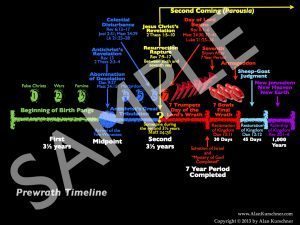
Prewrath Rapture: After Tribulation Is Cut Short, Before God’s Wrath
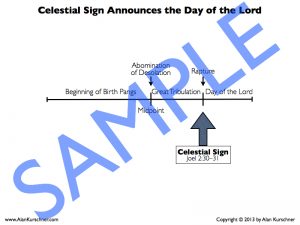
A central claim is that the “great tribulation” (severe persecution) is cut short for the sake of the elect, followed by cosmic signs (darkened sun/moon) and then the gathering of believers. He distinguishes Satan’s wrath (persecution through Antichrist) from God’s wrath / the Day of the Lord (trumpets and bowls), which he places after the rapture.
What You’ll Walk Away With
By the end of this message you’ll have a big-picture roadmap: how Daniel’s 70th Week unfolds, why the seals precede the trumpets and bowls, how Israel’s future salvation fits in, and why this study should produce watchfulness, holy living, and confidence in Christ’s victory.

![Antichrist Before the Day of the Lord: What Every Christian Needs to Know about the Return of Christ [Paperback]](https://www.alankurschner.com/wp-content/uploads/2013/11/Prewrath-3D-Cropped-e1406256638580-218x300.jpg)
![Prewrath: A Very Short Introduction to the Great Tribulation, Rapture, and Day of the Lord [Paperback]](https://www.alankurschner.com/wp-content/uploads/2015/08/Prewrath-very-short-introduction-cover-682x1024-200x300.jpg)